

Sleeping on the floor of her dad’s apartment felt like a low point.
Stephanie Cummings had climbed the corporate ladder, started her own company, and finally landed a major contract. Then she spent months on an air mattress because she couldn’t afford an apartment in Washington, DC, where her business had just entered a new market.
She and her husband, Rashad, launched the household management service Please Assist Me in 2018, and it was working. They were doing what they set out to do: alleviating stress for clients with a streamlined app to take care of their cleaning, laundry, groceries, and errands.
But the funding wasn’t coming.
“I did not foresee the challenges that I was going to face raising capital,” she said, noting the sexism and racism she encountered as a Black woman. “We lived off of credit cards for two years, and I was going from pitch competition to pitch competition, trying to have enough money to pay our rent and to pay our employees and to continue this amazing thing that we have built.”
Cummings began to meet potential investors who loved the technology she developed, only to have them push back on her business model. Rather than bringing on workers as independent contractors, Please Assist Me hired them as employees, with benefits and paths to promotion. Some investors offered to fund the company if she would reclassify their workers. Even though she and Rashad needed the money, she turned them down.
Cummings was committed to empowering workers—many of them Black and brown women—in a sector where they had historically been “underpaid, overworked and underappreciated,” and where the gig economy threatened to make the work even more exploitative and transactional.
“I knew that it was important that we provided that love, care and just basic human dignity to our employees and classified them and gave them what they needed to be successful,” she said.
The more she listened to her early hires, the more she saw how much fear had built up in their careers in home care. They wondered if they’d be safe in other people’s homes, so Please Assist Me set up a policy that workers (called “PAMs”) would work in twos or threes. They worried about hours, so the company offered W-2 employment with fair pay.
Cummings realized the company she founded to serve professional women could also bless the women doing the work in their homes. That became part of her model and motivation.
As a founder, Cummings was as satisfied to see a client’s relief that she no longer had to worry about her dirty floors as she was to see an employee beam with pride at earning recognition during a team meeting.

Choosing employees over maximum profit came at a cost to the bottom line. But more than the sting of sacrifice, Cummings felt conviction about the company she was building.
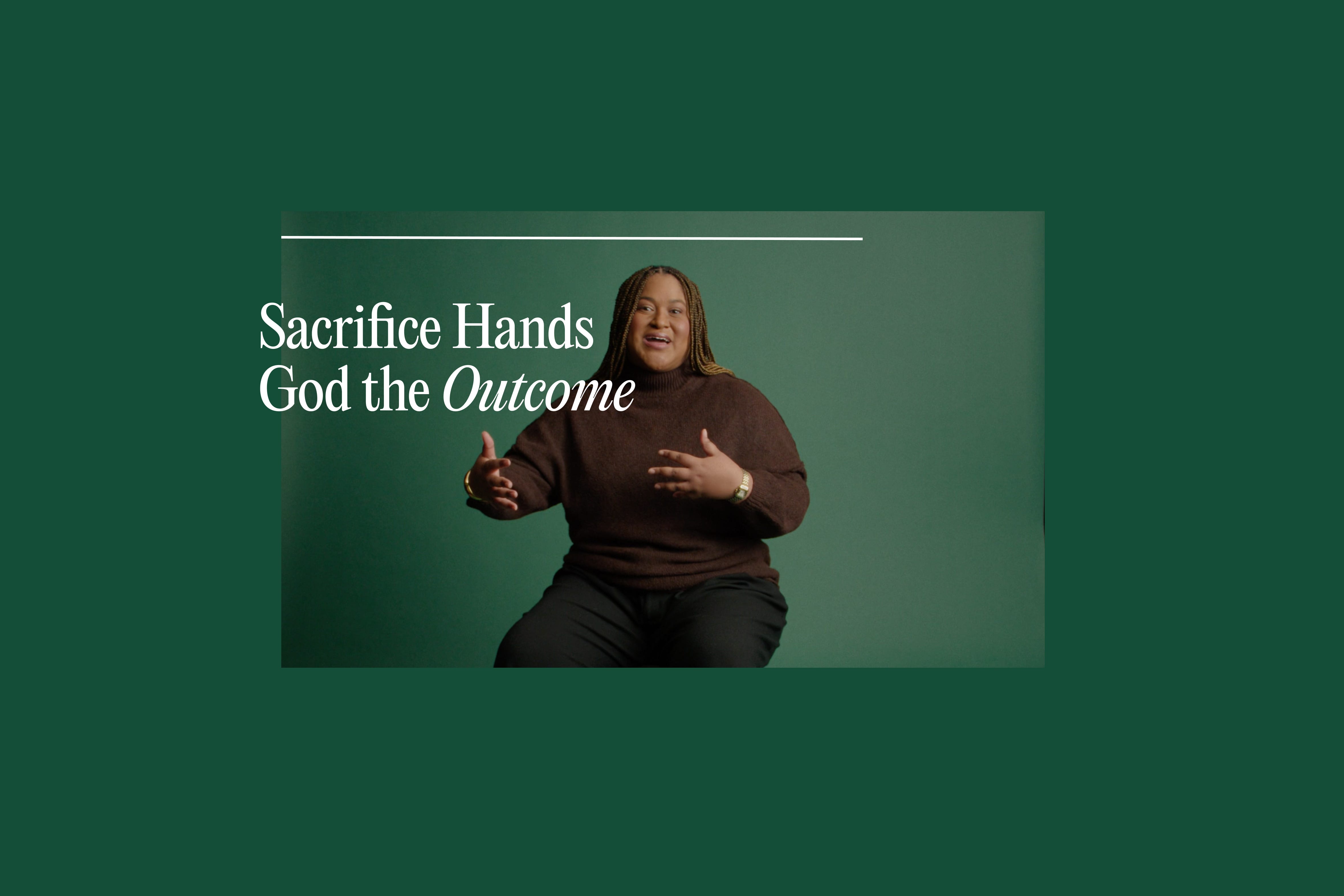
Redemptive entrepreneurship, as Praxis calls it, involves creative restoration through sacrifice—a willingness to absorb some amount of cost for the sake of a better outcome for ourselves and for others.
Sometimes that means taking a different pathway with less money or less prestige, according to Dave Blanchard, Co-Founder and CEO of Praxis.
“Most people, if you talk to those who have actually lived this out at the most profound levels, would never say it was sacrifice,” said Blanchard. “They’d say, ‘I guess it was sacrificial, but it hasn’t been a sacrifice in my life. It’s actually been a gift.’ The net effect has been, strangely, never described as ‘I made a sacrifice.’”
Creative restoration through sacrifice is not simply one person losing so another can gain. It means responding to broken places and systems with an eye for a made-better, made-whole solution where “we win,” even when it’s difficult or costly.
In leading Please Assist Me, Cummings saw how her model not only honored her beliefs around work and dignity but resulted in a reliable workforce for her clients, empowered workers themselves, and even blessed the workers’ families, as kids got to take pride in their moms’ careers.
One cost of sacrifice is not knowing the outcome.
“Sacrifice by definition is letting go of something that is of great value and putting it in the hands of God without knowing what will happen,” said Andy Crouch, Partner for Theology & Culture at Praxis.
Cummings didn’t know if her model would work out. In March 2020, right on the brink of COVID, she spent the last of her money to fly to a pitch competition. Four of the five finalists received funding. She didn’t.
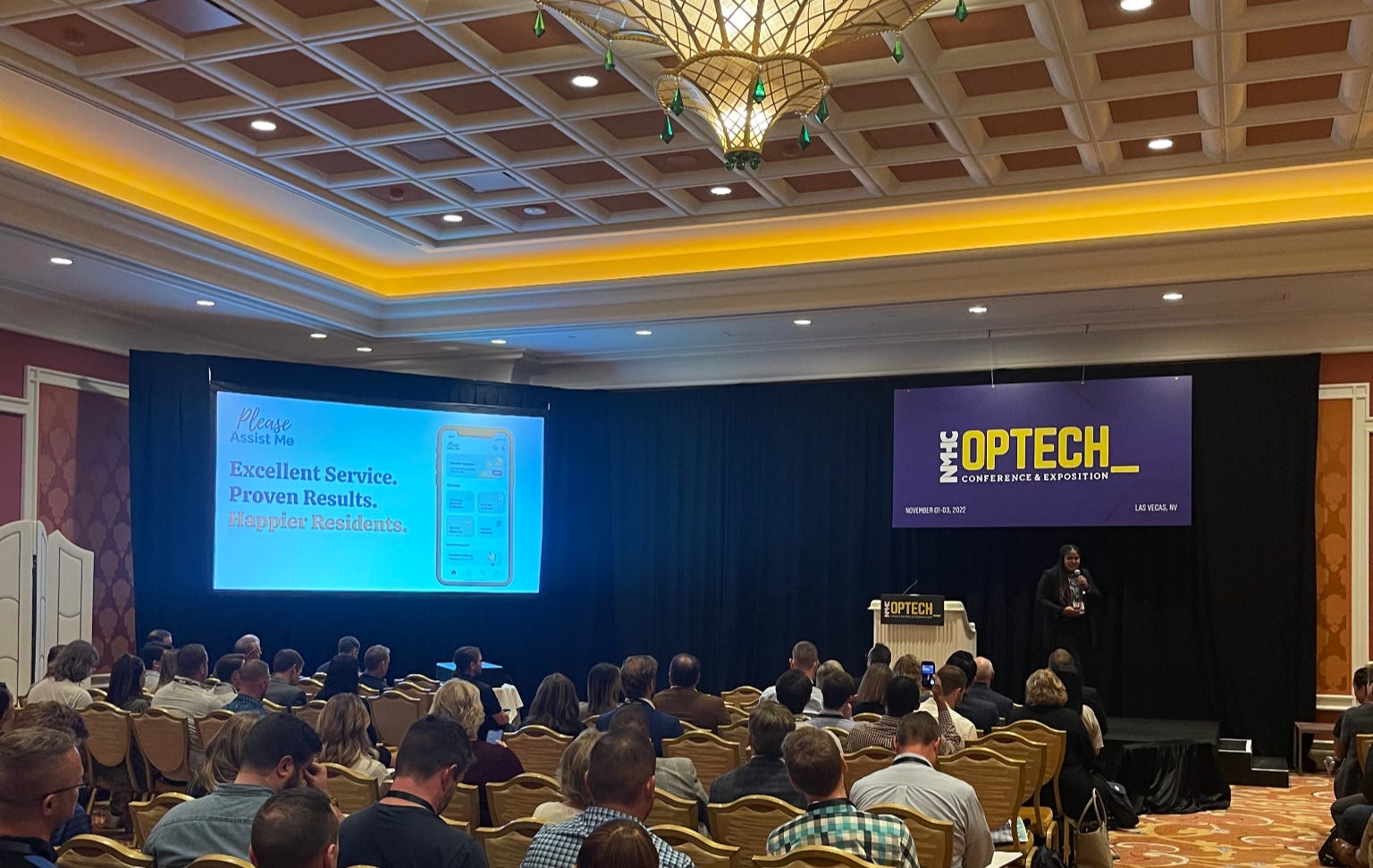
“They just did not believe that I could execute on that model and the way to grow and scale,” Cummings said. “And I remember crying, and my mom had to call the hotel and pay for me to have dinner.”
The sacrifice wasn’t only financial. She had to let go of the recognition that comes with startup fundraising.
“I always wanted to be the person who’d say, ‘Oh, I’ve raised this amount of capital,’” she said. “But through prayer, I didn’t allow my pride to stop me from staying focused on the redemptive work that could be done if done well.”
Even at her lowest, she trusted that she was building what God had asked of her.
“We felt like what we were doing was so important that we couldn’t stop,” she said. “And God has been so faithful when we make those sacrifices for him.”
Still, Cummings wouldn’t recommend her path for everyone. Christians in leadership can lionize sacrifice to an unhealthy extent; not all sacrifice is redemptive or restorative.
Ruth Haley Barton, founder of the Transforming Center, has seen how sacrifice can fuel overwork, especially when leaders feel they must be available 24/7 and never need rest. She emphasizes the importance of discernment in the context of sacrifice.
“It’s very much about attunement to God and to what God is actually asking of us, versus what other people might be asking of us or expecting of us,” she said. “We could sacrifice everything forever, and it wouldn’t do everything that needs to be done on this earth. And so that means we have to discern, both as individuals and as communities, what is ours to do.”
As a spiritual director, Barton guides leaders in spiritual practices and reminds them that transformation is not transactional. The change may not look like success in a market or worldly sense.
“We can’t tell people what the outcome is going to be,” said Barton, author of Leading a Transforming Community. “All we can know is that we’re going to be more like Christ than we are now.”
Cummings couldn’t have predicted what came next. Before she left that pitch competition, one of the judges, who was starting a fund, said, “Let’s talk later.” Less than a year later, that investor led the pre-seed and seed rounds and introduced her to Praxis.
Please Assist Me now operates in four states, with more than 100 employees servicing 50,000 residential units under contract. Cummings has seen her business grow and found investors who share her values. The model has paid off.
“By investing in our employees, they stay longer, they thrive, they grow,” Cummings said. “Some of the things that other competitors who have died have struggled with, the constant churn and the quality, we don’t suffer from because we’ve invested in both sides of the equation.”
But it’s still not easy.
“Every day I wake up, I choose sacrifice, I choose to pour into others. But I know that I am doing God’s work,” she said. “It’s not, ‘I sacrifice now so I can then vacation on the island later.’ I sacrifice now because God has empowered me and equipped me with skills to be able to solve a particular problem that can have kingdom impact.”
Explore more about sacrifice and follow Cummings’s story in The Praxis Course.